

Thank you for Purchasing a ticket for the 50th Annual Eco-Ag event! - Finish your registration below!
Bookmark this page! It will have hotel details and the schedule. There is one more step we need you to take below. We look forward to seeing you in December. Your order confirmation will be sent to your email.
Please Complete Your Registration By Filling out this form:
Event Schedule
Farming for Profit & Purpose
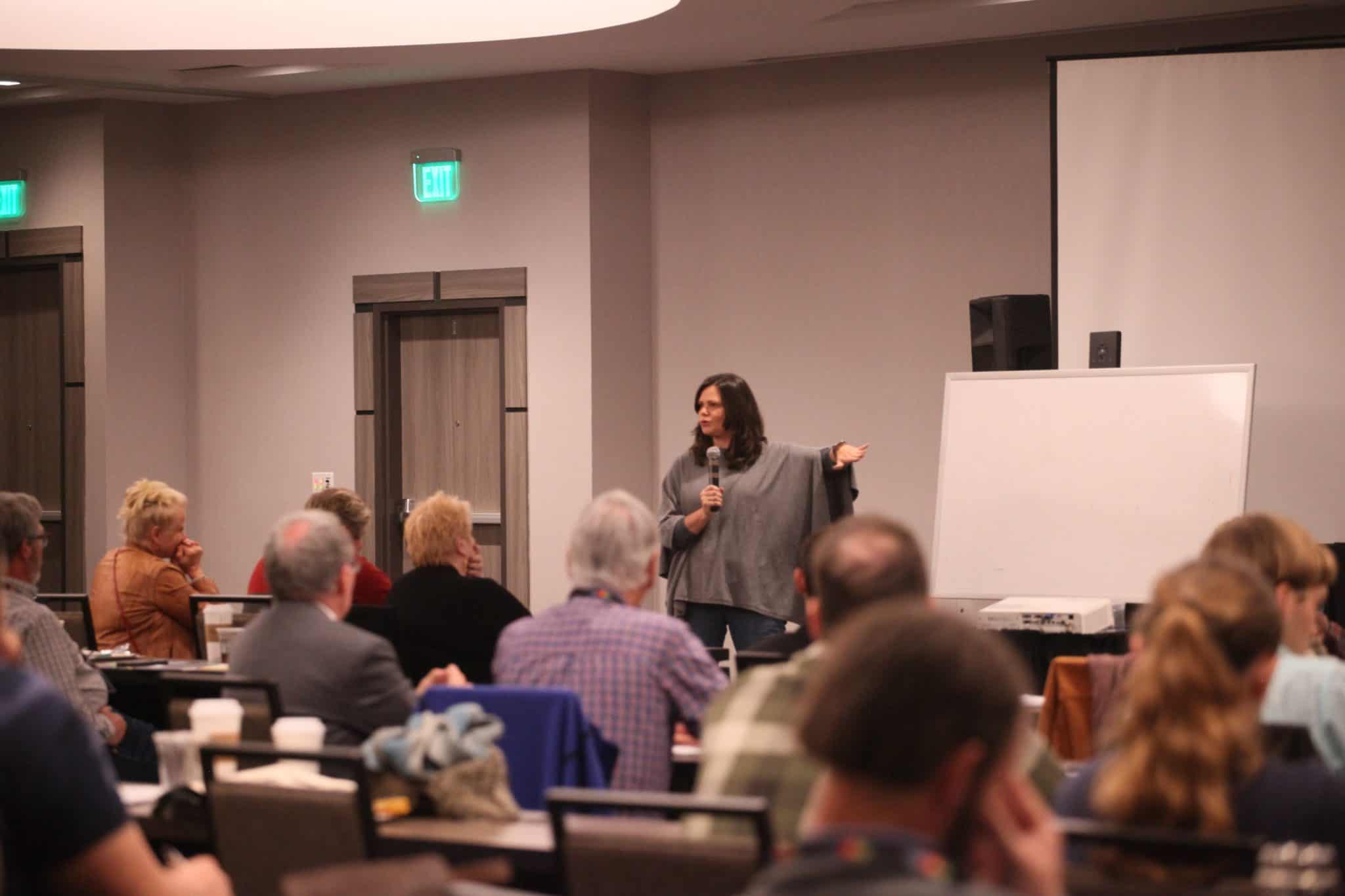
Eco-Ag U
Any Eco-Ag U Ticket includes access to the general admission sessions Dec 3rd & 4th
Get the most out of your experience by signing up for an Eco-Ag U workshop (or two!) – the registration fee includes your choice of pre-conference workshops plus the entire conference and trade show. Spend a full day with an instructor diving deep into a topic that’s important to you.
You will have direct, small-classroom access to the top minds in eco-agriculture, where you can learn the real details behind their success, and ask questions specific to your farm or operation.

Day 1 | Monday, December 1st, 2025
Workshop Day: Attendance of all-day Eco-Ag U workshops require “1 or 2-Day Eco-Ag U + Conference” registration.
Eco-Ag U Registration Opens: 7:30am
Eco-Ag U Workshops: 8:30am - 4:00pm
Eco-Ag U Reception and Mixer: 4:30pm-6:00pm
Bookstore Open: 2:30pm-6:00pm
Day 1 | Eco-Ag U - John Kempf 8:30AM - 4:00PM
Superior — John Kempf: Regenerative Agriculture success today
This one-day workshop with John Kempf focuses on enhancing fruit and vegetable production by applying cutting-edge nutritional strategies. Learn how to unlock the genetic potential of crops to boost yields by understanding plant nutrition at different growth stages. Discover how to enhance photosynthesis by managing key factors such as carbon dioxide, water, and chlorophyll levels. Explore techniques to fortify plants against insects and diseases, reduce water requirements, and improve soil health with beneficial microbes. Gain insights into how plants and insects communicate, and learn how to manage fertilizers and monitor nutrient release for optimal growth and pest prevention. Perfect for growers looking to take their fruit and vegetable production to the next level!
Monday December 1st: 8:30am - 12:00pm

Day 1 | Eco-Ag U - Dan Kittredge - Principles of Biological Systems 8:30AM - 4:00PM
Ballroom Salon A-C — Dan Kittredge: Principles Of Biological Systems
Description:
Join farmer, educator, and founder of the Bionutrient Food Association Dan Kittredge for a deep dive into the core principles that drive biological farming systems.
In this intensive Eco-Ag U session, Dan distills decades of research and practice — including wisdom from Acres U.S.A. elders — into a simplified yet powerful framework designed to guide growers toward highly nutrient-dense crops.
Participants will explore how soil biology, mineral balance, plant vitality, and management practices intersect to influence the nutrient density of crops — and, ultimately, farm profitability. This integrated approach provides a roadmap for growers to observe, measure, and manage their systems more effectively.
You’ll leave this session with:
A clear understanding of the core principles of biological systems that underpin regenerative farming.
Practical strategies for aligning soil, plant, and ecosystem processes to increase nutrient density and crop quality.
Insights on how to apply these principles at any scale, from market gardens to broad-acre operations.
A renewed connection to the historical knowledge that laid the foundation for Acres U.S.A.’s ecological agriculture movement.
Whether you’re new to biological farming or refining an established system, this session offers tools and insights to elevate your operation and strengthen the link between soil health, crop vitality, and human nutrition.
Monday December 1st: 8:30am - 12:00pm
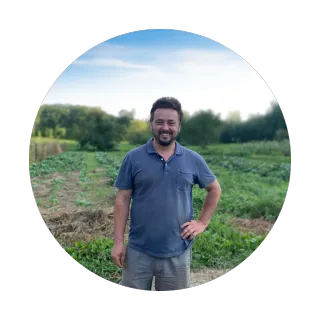
Day 1 | Eco-Ag U - Mark Shepard - Ecological Agriculture & Land Investment: Building the Farms of the Future 8:30AM - 4:00PM
Ballroom Salon E — Mark Shepard:
Description:
Regenerative agriculture doesn’t just heal land — it creates real, lasting opportunity. In this full-day intensive, Mark Shepard, author of Restoration Agriculture, explores how ecological design, water management, and smart land investment intersect to build profitable, resilient farms for the next generation.
Mark will unpack the economic and ecological frameworks that allow farmers, investors, and landowners to work together — creating partnerships that restore landscapes while generating long-term value. Through real-world examples and decades of experience, he’ll show how water systems, perennial crops, and integrated farm design can turn land ownership into ecological wealth.
This is the session for those looking to build — or invest in — the future of agriculture.
Monday December 1st: 8:30am - 4:00pm
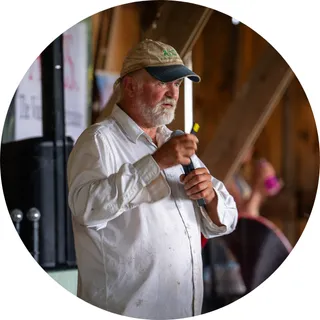
Day 1 | Eco-Ag U - Gary Zimmer - Lets Get The Basics Right 8:30AM - 4:00PM
Greenway — Gary Zimmer: Lets Get The Basics Right
Let’s get the basics right . There are a lot of different ways to farm , what’s your plan/objective ? There is common ground for farm success, we do understand the minerals , the biological and the physical properties of the soil . What test do you use , rotation, crops grown , what needs to be regenerated ? Come spend the day bring your test , let’s evaluate. It will be a hands on learning day tapping into my 40+ years of learning , teaching , farming , and following farms all over the world
Monday December 1st: 8:30am - 12:00pm
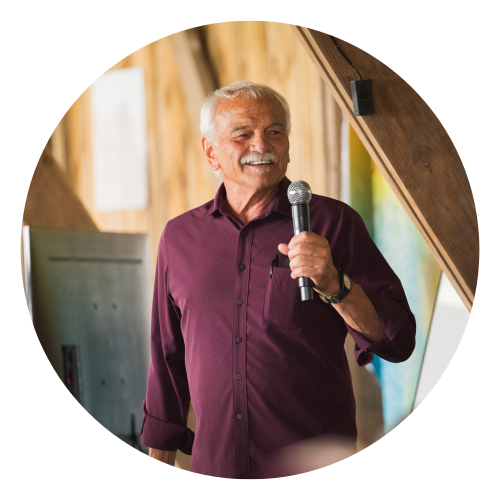
Day 1 | Eco-Ag U - Steve Campbell - Common-Sense Cattle 8:30am - 4:00pm
Salon F-H — Steve Campbell: Common-Sense Cattle
Description:
Join Steve Campbell—renowned rancher, consultant, and founder of Tailor Made Cattle—for an in-depth workshop exploring his signature Red Solo Cup Theory. This hands-on session will guide participants through the practical, visual, and measurable traits that indicate optimal cattle fertility, hormonal balance, and butterfat production. Using his iconic “solo cup” shape analogy, Steve teaches how to select low-input, high-output animals by observing glandular health, body conformation, and functional structure.
Participants will gain firsthand knowledge on:
Using hair coat, shedding patterns, and thymus expression to identify hormonal health
Applying linear measurement to evaluate the “solo cup” shape and structural correctness
Recognizing key butterfat indicators such as clean hocks, bald udders, proper tail shape, and ideal hooves and ankles
Selecting bulls and replacements that enhance herd fertility and longevity
Reducing inputs while improving calving ease, gain, and meat quality
Whether you're building a cow-calf herd, working toward a 100% grass-fed model, or aiming to increase ranch profitability, this workshop delivers powerful tools rooted in biology, observation, and decades of experience.
Monday December 1st: 8:30am - 12:00pm
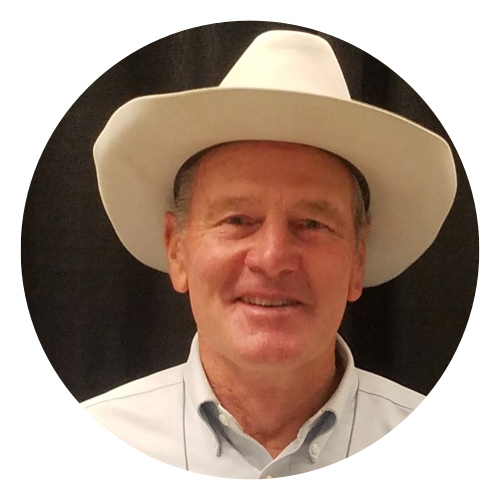
Day 1 | Eco-Ag U - Don Huber - Symposium “AGRICULTURE BEYOND GLYPHOSATE” 12:00pm - 6:30pm - GLK SAUERKRAUT Co-Sponsor
Ballroom Salon D — Don Huber: Agriculture Beyond Glyphosate (Symposium)
Description:
Led by Dr. Don Huber, Professor Emeritus, Purdue University
December 1–2, 2025 | Part of the 50th Annual Eco-Ag Conference | Madison, WI
Chemical agriculture once promised higher yields, cleaner fields, and a streamlined future. But today, glyphosate and its associated technologies have left behind depleted soils, weakened crops, chronic animal health issues, and growing concerns about food safety and human disease.
This two-day symposium, led by legendary plant pathologist Dr. Don Huber, brings together some of the world’s leading voices in soil science, toxicology, medicine, microbiology, and food system transparency to explore what comes next.
🧠 What You’ll Learn
- The chemistry and long-term effects of glyphosate on soil and biological systems
- Real-world research on glyphosate residues in food, water, animals, and people
- Links between glyphosate use and chronic illness, livestock disorders, and microbial collapse
- Emerging soil remediation practices and microbial detox strategies
- Proven alternatives to chemical weed control and conventional fertilization
- How to rebuild a functioning, profitable farm ecosystem beyond glyphosate
This symposium features a rare convergence of scientists, doctors, and farmers with deep firsthand experience confronting the glyphosate era—and building pathways beyond it.
12:00-12:45 Dieter Harle Introduction of symposium “Agriculture Beyond Glyphosate”
12:45-1:30 Don Huber Glyphosate, the chemical: persistent chelator, herbicide, antibiotic
1:30-2:15 John Fagan Glyphosate in water, soil, crops, livestock, pets, and people
2:15-3:00 Raul Cano Effects of glyphosate on microbial diversity and soil health
3:00-3:15 Break
3:15-4:00 Art Dunham Food animal health issues related to glyphosate-based herbicides
4:00-4:45 Ted Dupmeier Glyphosate toxicity in animals and its remediation
4:45-5:30 Rick Clark Traditional farming and food systems without glyphosate
5:30-6:30 Scott Brenner A dairyman’s perspective on feed efficiency and reproduction
6:30 Dinner break
Monday December 1st: 8:30am - 12:00pm

Day 2 | Tuesday, December 2nd, 2025
Workshop Day & Conference Start: Attendance of all-day Eco-Ag U workshops require “1 or 2-Day Eco-Ag U + Conference” registration.
Eco-Ag U and Conference Registration Opens: 7:30am
Eco-Ag U Workshops: 8:30am - 4:00pm
Trade Show & Bookstore Open: 10:00am-6:30pm
General Conference Registration Opens: 10:00am
Trade Show Open: 2:00pm-7:30pm
Opening Keynote Joel Salatin: 4:30pm-6:00pm
Reception on Trade Show Floor: 6:00pm-7:30pm
The general conference will kick off on Tuesday afternoon.
Day 2 | Eco-Ag U - Joel Salatin - BUILDING YOUR FARM BUSINESS - 8:30AM - 4:00PM
Superior — Joel Salatin: BUILDING YOUR FARM BUSINESS
While moving cows, building compost, and cover cropping are exciting topics, the biggest hurdles on our farms often revolve around how we work with family, keep financial records, develop teams, branding, scale and a host of overall business type protocols. From time and motion studies to writing a blog, Joel brings a lifetime of farm business experience, mastery, and philosophy to this practical day-long workshop.
Tuesday December 2nd: 8:30am - 4:00pm

Day 2 | Eco-Ag U - Neal Kinsey - Soil Fertility - Guidelines to Measure in Order to Manage It. 8:30AM - 4:00PM
Ballroom Salon A-C — Neal Kinsey: Soil Fertility - Guidelines to Measure in Order to Manage It.
In "The Other Side of the Fence" Dr. William Albrecht, one of the pioneers in the use of soil microbiology right on the farm, shows various vegetables that look the same, but one has far better nutrient content.
Testing can be done as proof, but presently such testing is very expensive.
What can farmers, ranchers, gardener's and all types of growers use to measure what the soil and plants need to do their best using good common sense and hand's on methods for verification?
Some clients have come to us because what they thought the best plan to supply what was needed eventually became the problem.
Many "good plans" are just heading for disaster, but it can take years of blaming the weather or the seed, etc., before the real problems become evident. Then it costs far more to solve problems which could have been avoided.
Tuesday December 2nd: 8:30am - 4:00pm
Day 2 | Eco-Ag U - Don Huber - Symposium “AGRICULTURE BEYOND GLYPHOSATE” 8:00 AM- 4:00 PM - GLK SAUERKRAUT Co-Sponsor
Ballroom Salon D — Don Huber: Agriculture Beyond Glyphosate (Symposium)
Chemical agriculture once promised higher yields, cleaner fields, and a streamlined future. But today, glyphosate and its associated technologies have left behind depleted soils, weakened crops, chronic animal health issues, and growing concerns about food safety and human disease.
This two-day symposium, led by legendary plant pathologist Dr. Don Huber, brings together some of the world’s leading voices in soil science, toxicology, medicine, microbiology, and food system transparency to explore what comes next.
🧠 What You’ll Learn
- The chemistry and long-term effects of glyphosate on soil and biological systems
- Real-world research on glyphosate residues in food, water, animals, and people
- Links between glyphosate use and chronic illness, livestock disorders, and microbial collapse
- Emerging soil remediation practices and microbial detox strategies
- Proven alternatives to chemical weed control and conventional fertilization
- How to rebuild a functioning, profitable farm ecosystem beyond glyphosate
This symposium features a rare convergence of scientists, doctors, and farmers with deep firsthand experience confronting the glyphosate era—and building pathways beyond it.
8:00 – 8:45 — Dr. Warren Porter – Gluten, bread, and toxic legacy
8:45 – 9:30 — Carey Gillam – Legal & safety battles over glyphosate
9:30 – 10:15 — Ken Hamilton – Soil health as weed & disease defense
10:30 – 11:15 — Michelle Perro Autoimmunity in children and how it links to glyphosate
11:15 – 12:00 — Amie Bandy – Relearning soil intelligence
12:00 – 1:00 — Lunch
1:00 – 1:45 — Dr. Michael McNeill – Surviving and moving past glyphosate
1:45 – 2:30 — Martha Carlin – Microbial guilds and detox
2:30 – 3:15 — Howard Vlieger – Weed control without glyphosate
3:15 – 4:15 — Panel Discussion & Q&A
Tuesday December 2nd: 8:00 am - 4:15pm
Day 2 | Eco-Ag U - Rick Clark - Farm Green and the Economic Benefits of Regenerative Practices 8:30AM - 4:00PM
Salon E — Rick Clark: Change Is Good
Indiana farmer and regenerative pioneer Rick Clark shares the story of his journey from conventional practices to a fully regenerative, no-till, and “Farm Green” system that prioritizes soil health and profitability.
In this Eco-Ag U session, Rick walks participants through the principles of soil health that transformed his farm — and his bottom line. He will highlight how to reduce synthetic inputs, cut fuel and labor costs, build soil fertility, and increase resilience to drought and weather extremes while maintaining profitable yields.
Attendees will learn:
The step-by-step evolution of Rick’s regenerative “Farm Green” approach.
How continuous living roots, cover crops, and biodiversity improve soil function and reduce dependency on costly inputs.
The economic outcomes of regenerative transitions, including real-world data from Rick’s farm.
Practical strategies to implement soil health principles on your own operation — without sacrificing profitability.
Whether you’re looking to reduce input costs, improve soil structure, or future-proof your farm, Rick’s experience offers a proven roadmap for regenerative success.
Tuesday December 2nd: 8:30am - 4:00pm
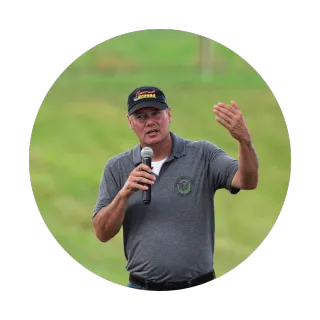
Day 2 | Eco-Ag U - Arden Andersen - Soil to Cell: The True Roots of Health, Disease & Nutrition - 8:30AM - 4:00PM
Greenway — Dr. Arden Andersen: Soil to Cell: The True Roots of Health, Disease & Nutrition
What if the secret to human health wasn’t just in the clinic—but in the soil? In this deep-dive Eco-Ag U workshop, physician and soil scientist Dr. Arden Andersen explores the powerful connections between nutrient density, endocrine balance, soil biology, and disease. Drawing from decades of experience in both regenerative agriculture and holistic medicine, Dr. Andersen will challenge modern assumptions about diet, farming, and disease—and provide a roadmap toward healing both body and land.
Attendees will explore foundational questions:
-What is health, really—and how do we measure it?
-What did our ancestors actually eat—and what have we lost?
-How do soil nutrition, food quality, and hormone disruptors influence chronic disease?
-Can we use therapeutic diets and lifestyle shifts to reverse illness?
This is more than a class—it’s a paradigm shift. Whether you're a farmer, healthcare provider, food producer, or simply someone seeking clarity in a world of dietary confusion, this workshop offers the tools and insight to radically rethink the soil-to-human health connection.
Tuesday December 2nd: 8:30am - 4:00pm

Day 3 | Wednesday, December 3rd, 2025
Registration Opens: 7:30am
Bookstore: 8:00am-6:30pm
Trade Show: 8:00am-6:00pm
Morning Keynote - Neal Kinsey: 8:30am
15 Different Breakout Sessions: 10:30am-4:30pm
Evening Keynote - Will Harris: 4:30pm-6:15pm
Reception on Trade Show Floor: 6:15-7:30pm

Day 4 | Thursday, December 4th, 2025
Registration Opens: 7:30am
Bookstore: 8:00am-3:30pm
Trade Show: 8:00am-3:30pm
Morning Keynote - Rick Clark: 8:30am
15 Different Breakout Sessions: 10:30am-4:00pm
Final Keynote - Gabe Brown: 4:00-5:30pm
Conference Ends: 6:30pm

Marriott Madison West
1312 John Q Hammons Dr, Middleton, WI 53562
1 608-831-2000
The hotel is offering a special group rate
You can’t stay closer to the conference than this! This hotel is connected to the conference venue. This hotel is newly renovated and features all new king and queen/queen double bedded room accommodations.
Special Group Rates End November 10th, 2025

Fairfield by Marriott Inn & Suites Madison West/Middleton
8212 Greenway Boulevard Middleton, Wisconsin, USA, 53562
(608) 831-1400
The hotel is also offering a special group rate
Fairfield Inn is located across the parking lot from the conference.
Special Group Rates End November 7th, 2025
Special Group Rates End November 7th, 2025 at 11:59pm. After November 7th, please call the hotel directly at (608) 831-1400 and make reservations through the front desk directly using the group rate code "ACEC" through November 10th. After November10th guests are still welcome to call the front desk to book a reservation, but the group rate may or may not be available based upon hotel availability.
This hotel and conference center is located in Middleton, WI. In Middleton, they like to say that it’s the middle things that make this area special. Enjoy a pint while touring one of the state’s oldest micro-breweries; sample mustards from around the world at the National Mustard Museum; stroll through a revitalized, charming Downtown shopping district or take a stroll around our outdoor shopping center at Greenway Station. Here you’ll find 80-plus restaurants and cafes, as well as about 50 shopping locations spread across the city.
The Marriott Madison West offers complimentary high-speed Wi-Fi, newly renovated guest rooms with plush beds and flat-panel TVs. The Great room restaurant and lounge serves American cuisine as well as a wide range of drinks. During your downtime, you can work out in the 24-hour fitness center and enjoy the indoor pool. The conference center is conveniently located and attached to the hotel.
Should you want to venture out, Madison, WI is located only 6 ½ miles from the hotel where you can visit the state Capitol.
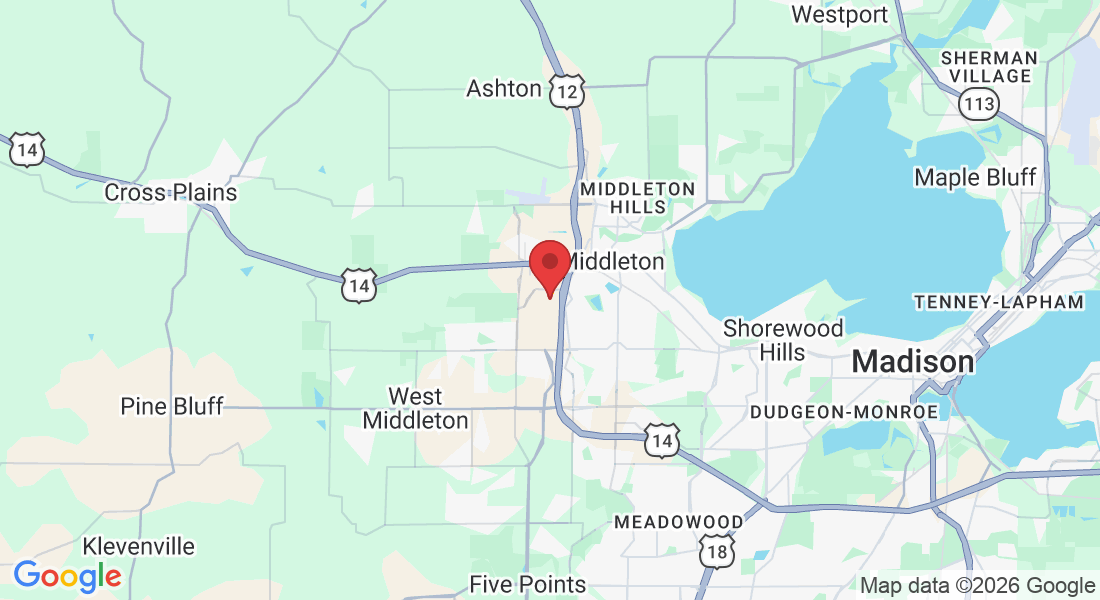
1313 John Q Hammons Drive Middleton, Wisconsin 53562
You Need To JOIN US
Sponsors
Presenting Sponsor
Green Lightning
Booth in Bookstore

Presenting Sponsor
Noble Research Institute
Booth 47 & 48

Platinum Sponsor
Tend
Booth 50-51

Gold Sponsor





Wifi Sponsor
Reception Sponsor

Keynote Sponsor

Charging Station Sponsor
Reception Sponsor

FAQ

© 2026 All rights reserved