Welcome to The Acres U.S.A. Eco-Ag Conference Recordings!

2025 50th Annual Eco-Ag Conference Tradeshow
Thanks for joining Acres U.S.A.® at our 50th Annual Eco-Ag Conference and Trade Show!
Farming for Profit and Purpose

THE BEST SPEAKER LINEUP IN REGENERATIVE AGRICULTURE
Eco-Ag U Session Overview
These are full day workshops and can be purchased seperately
Eco-Ag U - John Kempf
Superior — John Kempf: Regenerative Agriculture success today
This one-day workshop with John Kempf focuses on enhancing fruit and vegetable production by applying cutting-edge nutritional strategies. Learn how to unlock the genetic potential of crops to boost yields by understanding plant nutrition at different growth stages. Discover how to enhance photosynthesis by managing key factors such as carbon dioxide, water, and chlorophyll levels. Explore techniques to fortify plants against insects and diseases, reduce water requirements, and improve soil health with beneficial microbes. Gain insights into how plants and insects communicate, and learn how to manage fertilizers and monitor nutrient release for optimal growth and pest prevention. Perfect for growers looking to take their fruit and vegetable production to the next level!

Eco-Ag U - Dan Kittredge - Principles of Biological Systems
Ballroom Salon A-C — Dan Kittredge: Principles Of Biological Systems
Description:
Join farmer, educator, and founder of the Bionutrient Food Association Dan Kittredge for a deep dive into the core principles that drive biological farming systems.
In this intensive Eco-Ag U session, Dan distills decades of research and practice — including wisdom from Acres U.S.A. elders — into a simplified yet powerful framework designed to guide growers toward highly nutrient-dense crops.
Participants will explore how soil biology, mineral balance, plant vitality, and management practices intersect to influence the nutrient density of crops — and, ultimately, farm profitability. This integrated approach provides a roadmap for growers to observe, measure, and manage their systems more effectively.
You’ll leave this session with:
A clear understanding of the core principles of biological systems that underpin regenerative farming.
Practical strategies for aligning soil, plant, and ecosystem processes to increase nutrient density and crop quality.
Insights on how to apply these principles at any scale, from market gardens to broad-acre operations.
A renewed connection to the historical knowledge that laid the foundation for Acres U.S.A.’s ecological agriculture movement.
Whether you’re new to biological farming or refining an established system, this session offers tools and insights to elevate your operation and strengthen the link between soil health, crop vitality, and human nutrition.
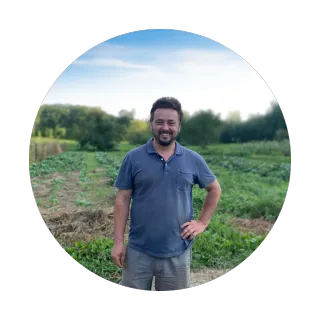
Eco-Ag U - Mark Shepard - Ecological Agriculture & Land Investment: Building the Farms of the Future
Ballroom Salon E — Mark Shepard:
Description:
Regenerative agriculture doesn’t just heal land — it creates real, lasting opportunity. In this full-day intensive, Mark Shepard, author of Restoration Agriculture, explores how ecological design, water management, and smart land investment intersect to build profitable, resilient farms for the next generation.
Mark will unpack the economic and ecological frameworks that allow farmers, investors, and landowners to work together — creating partnerships that restore landscapes while generating long-term value. Through real-world examples and decades of experience, he’ll show how water systems, perennial crops, and integrated farm design can turn land ownership into ecological wealth.
This is the session for those looking to build — or invest in — the future of agriculture.
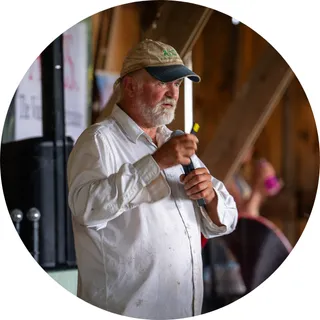
Eco-Ag U - Gary Zimmer - Lets Get The Basics Right
Greenway — Gary Zimmer: Lets Get The Basics Right
Let’s get the basics right . There are a lot of different ways to farm , what’s your plan/objective ? There is common ground for farm success, we do understand the minerals , the biological and the physical properties of the soil . What test do you use , rotation, crops grown , what needs to be regenerated ? Come spend the day bring your test , let’s evaluate. It will be a hands on learning day tapping into my 40+ years of learning , teaching , farming , and following farms all over the world
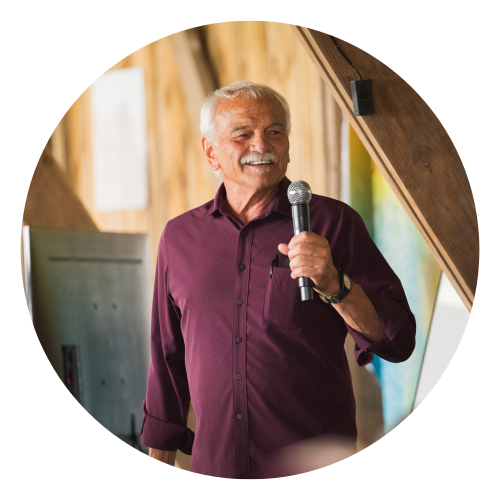
Eco-Ag U - Steve Campbell - Common-Sense Cattle
Salon F-H — Steve Campbell: Common-Sense Cattle
Description:
Join Steve Campbell—renowned rancher, consultant, and founder of Tailor Made Cattle—for an in-depth workshop exploring his signature Red Solo Cup Theory. This hands-on session will guide participants through the practical, visual, and measurable traits that indicate optimal cattle fertility, hormonal balance, and butterfat production. Using his iconic “solo cup” shape analogy, Steve teaches how to select low-input, high-output animals by observing glandular health, body conformation, and functional structure.
Participants will gain firsthand knowledge on:
Using hair coat, shedding patterns, and thymus expression to identify hormonal health
Applying linear measurement to evaluate the “solo cup” shape and structural correctness
Recognizing key butterfat indicators such as clean hocks, bald udders, proper tail shape, and ideal hooves and ankles
Selecting bulls and replacements that enhance herd fertility and longevity
Reducing inputs while improving calving ease, gain, and meat quality
Whether you're building a cow-calf herd, working toward a 100% grass-fed model, or aiming to increase ranch profitability, this workshop delivers powerful tools rooted in biology, observation, and decades of experience.
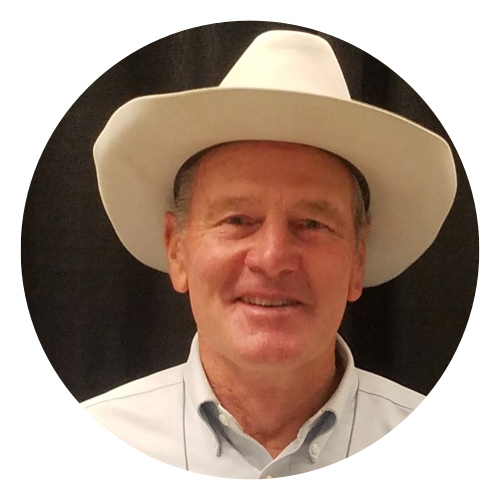
Eco-Ag U - Don Huber - Symposium “AGRICULTURE BEYOND GLYPHOSATE” - GLK SAUERKRAUT Co-Sponsor
Ballroom Salon D — Don Huber: Agriculture Beyond Glyphosate (Symposium)
Description:
Led by Dr. Don Huber, Professor Emeritus, Purdue University
December 1–2, 2025 | Part of the 50th Annual Eco-Ag Conference | Madison, WI
Chemical agriculture once promised higher yields, cleaner fields, and a streamlined future. But today, glyphosate and its associated technologies have left behind depleted soils, weakened crops, chronic animal health issues, and growing concerns about food safety and human disease.
This two-day symposium, led by legendary plant pathologist Dr. Don Huber, brings together some of the world’s leading voices in soil science, toxicology, medicine, microbiology, and food system transparency to explore what comes next.
🧠 What You’ll Learn
- The chemistry and long-term effects of glyphosate on soil and biological systems
- Real-world research on glyphosate residues in food, water, animals, and people
- Links between glyphosate use and chronic illness, livestock disorders, and microbial collapse
- Emerging soil remediation practices and microbial detox strategies
- Proven alternatives to chemical weed control and conventional fertilization
- How to rebuild a functioning, profitable farm ecosystem beyond glyphosate
This symposium features a rare convergence of scientists, doctors, and farmers with deep firsthand experience confronting the glyphosate era—and building pathways beyond it.
12:00-12:45 Dieter Harle Introduction of symposium “Agriculture Beyond Glyphosate”
12:45-1:30 Don Huber Glyphosate, the chemical: persistent chelator, herbicide, antibiotic
1:30-2:15 John Fagan Glyphosate in water, soil, crops, livestock, pets, and people
2:15-3:00 Raul Cano Effects of glyphosate on microbial diversity and soil health
3:00-3:15 Break
3:15-4:00 Art Dunham Food animal health issues related to glyphosate-based herbicides
4:00-4:45 Ted Dupmeier Glyphosate toxicity in animals and its remediation
4:45-5:30 Rick Clark Traditional farming and food systems without glyphosate
5:30-6:30 Scott Brenner A dairyman’s perspective on feed efficiency and reproduction
6:30 Dinner break
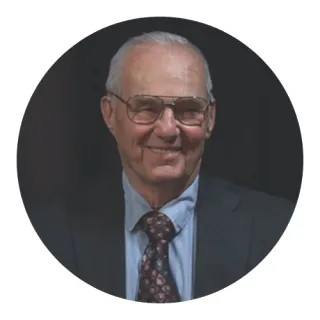
Eco-Ag U - Joel Salatin - BUILDING YOUR FARM BUSINESS
Superior — Joel Salatin: BUILDING YOUR FARM BUSINESS
While moving cows, building compost, and cover cropping are exciting topics, the biggest hurdles on our farms often revolve around how we work with family, keep financial records, develop teams, branding, scale and a host of overall business type protocols. From time and motion studies to writing a blog, Joel brings a lifetime of farm business experience, mastery, and philosophy to this practical day-long workshop.

Eco-Ag U - Neal Kinsey - Soil Fertility - Guidelines to Measure in Order to Manage It
Ballroom Salon A-C — Neal Kinsey: Soil Fertility - Guidelines to Measure in Order to Manage It.
In "The Other Side of the Fence" Dr. William Albrecht, one of the pioneers in the use of soil microbiology right on the farm, shows various vegetables that look the same, but one has far better nutrient content.
Testing can be done as proof, but presently such testing is very expensive.
What can farmers, ranchers, gardener's and all types of growers use to measure what the soil and plants need to do their best using good common sense and hand's on methods for verification?
Some clients have come to us because what they thought the best plan to supply what was needed eventually became the problem.
Many "good plans" are just heading for disaster, but it can take years of blaming the weather or the seed, etc., before the real problems become evident. Then it costs far more to solve problems which could have been avoided.
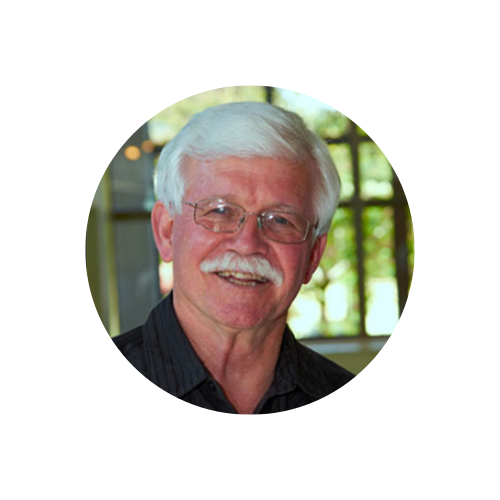
Eco-Ag U - Don Huber - Symposium “AGRICULTURE BEYOND GLYPHOSATE” - GLK SAUERKRAUT Co-Sponsor
Ballroom Salon D — Don Huber: Agriculture Beyond Glyphosate (Symposium)
Chemical agriculture once promised higher yields, cleaner fields, and a streamlined future. But today, glyphosate and its associated technologies have left behind depleted soils, weakened crops, chronic animal health issues, and growing concerns about food safety and human disease.
This two-day symposium, led by legendary plant pathologist Dr. Don Huber, brings together some of the world’s leading voices in soil science, toxicology, medicine, microbiology, and food system transparency to explore what comes next.
🧠 What You’ll Learn
- The chemistry and long-term effects of glyphosate on soil and biological systems
- Real-world research on glyphosate residues in food, water, animals, and people
- Links between glyphosate use and chronic illness, livestock disorders, and microbial collapse
- Emerging soil remediation practices and microbial detox strategies
- Proven alternatives to chemical weed control and conventional fertilization
- How to rebuild a functioning, profitable farm ecosystem beyond glyphosate
This symposium features a rare convergence of scientists, doctors, and farmers with deep firsthand experience confronting the glyphosate era—and building pathways beyond it.
8:00 – 8:45 — Dr. Warren Porter – Gluten, bread, and toxic legacy
8:45 – 9:30 — Carey Gillam – Legal & safety battles over glyphosate
9:30 – 10:15 — Ken Hamilton – Soil health as weed & disease defense
10:30 – 11:15 — Michelle Perro Autoimmunity in children and how it links to glyphosate
11:15 – 12:00 — Amie Bandy – Relearning soil intelligence
12:00 – 1:00 — Lunch
1:00 – 1:45 — Dr. Michael McNeill – Surviving and moving past glyphosate
1:45 – 2:30 — Martha Carlin – Microbial guilds and detox
2:30 – 3:15 — Howard Vlieger – Weed control without glyphosate
3:15 – 4:15 — Panel Discussion & Q&A
Eco-Ag U - Rick Clark - Farm Green and the Economic Benefits of Regenerative Practices
Salon E — Rick Clark: Change Is Good
Indiana farmer and regenerative pioneer Rick Clark shares the story of his journey from conventional practices to a fully regenerative, no-till, and “Farm Green” system that prioritizes soil health and profitability.
In this Eco-Ag U session, Rick walks participants through the principles of soil health that transformed his farm — and his bottom line. He will highlight how to reduce synthetic inputs, cut fuel and labor costs, build soil fertility, and increase resilience to drought and weather extremes while maintaining profitable yields.
Attendees will learn:
The step-by-step evolution of Rick’s regenerative “Farm Green” approach.
How continuous living roots, cover crops, and biodiversity improve soil function and reduce dependency on costly inputs.
The economic outcomes of regenerative transitions, including real-world data from Rick’s farm.
Practical strategies to implement soil health principles on your own operation — without sacrificing profitability.
Whether you’re looking to reduce input costs, improve soil structure, or future-proof your farm, Rick’s experience offers a proven roadmap for regenerative success.
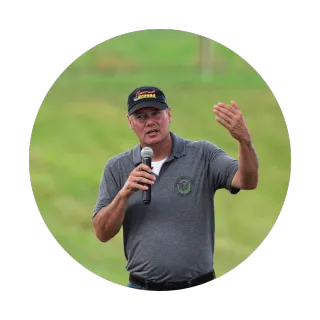
Eco-Ag U - Arden Andersen - Soil to Cell: The True Roots of Health, Disease & Nutrition
Greenway — Dr. Arden Andersen: Soil to Cell: The True Roots of Health, Disease & Nutrition
What if the secret to human health wasn’t just in the clinic—but in the soil? In this deep-dive Eco-Ag U workshop, physician and soil scientist Dr. Arden Andersen explores the powerful connections between nutrient density, endocrine balance, soil biology, and disease. Drawing from decades of experience in both regenerative agriculture and holistic medicine, Dr. Andersen will challenge modern assumptions about diet, farming, and disease—and provide a roadmap toward healing both body and land.
Attendees will explore foundational questions:
-What is health, really—and how do we measure it?
-What did our ancestors actually eat—and what have we lost?
-How do soil nutrition, food quality, and hormone disruptors influence chronic disease?
-Can we use therapeutic diets and lifestyle shifts to reverse illness?
This is more than a class—it’s a paradigm shift. Whether you're a farmer, healthcare provider, food producer, or simply someone seeking clarity in a world of dietary confusion, this workshop offers the tools and insight to radically rethink the soil-to-human health connection.
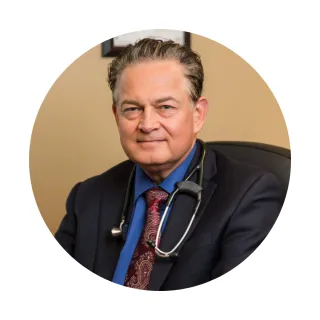
General Session Overview
These sessions are included with the purchase of the General Session Recordings
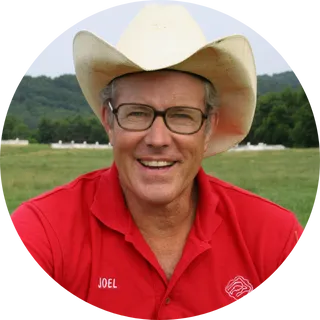
Keynote - Joel Salatin
Eco-Ag Success in 2026 (Keynote): Joel Salatin explores how the next generation of farmers can thrive by merging ecological principles with smart marketing. Drawing from decades at Polyface Farm, he shares how creativity, integrity, and entrepreneurship will define the future of successful, regenerative agriculture.
Social Hour With Dan Kittredge
Q& A on Defining Nutrient Density: Building a Transparent Food System
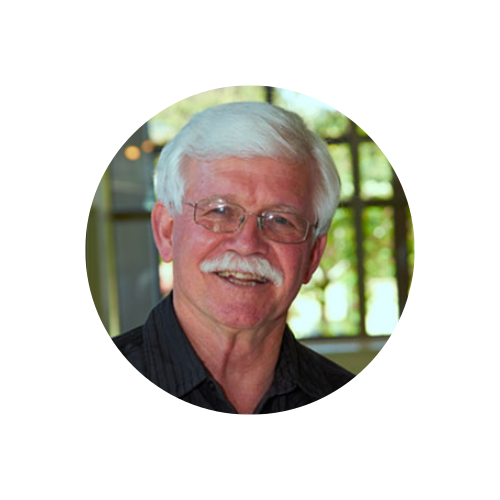
Keynote - Neal Kinsey
8:30 am - 9:45 am
The History of Acres: 50 Years of Growing a Ecological Movement(Keynote): For half a century, Acres U.S.A. has stood at the forefront of ecological agriculture—challenging convention, sharing knowledge, and empowering farmers to work with nature. In this keynote, Neal Kinsey reflects on the people, principles, and pioneering ideas that transformed Acres from a small publication into a global force for soil health and regenerative farming. Drawing from decades of firsthand experience, he explores how Acres’ commitment to education and independence has shaped the future of agriculture—and why its mission is more vital than ever for the next generation of growers.
Breakout 1
Day 1
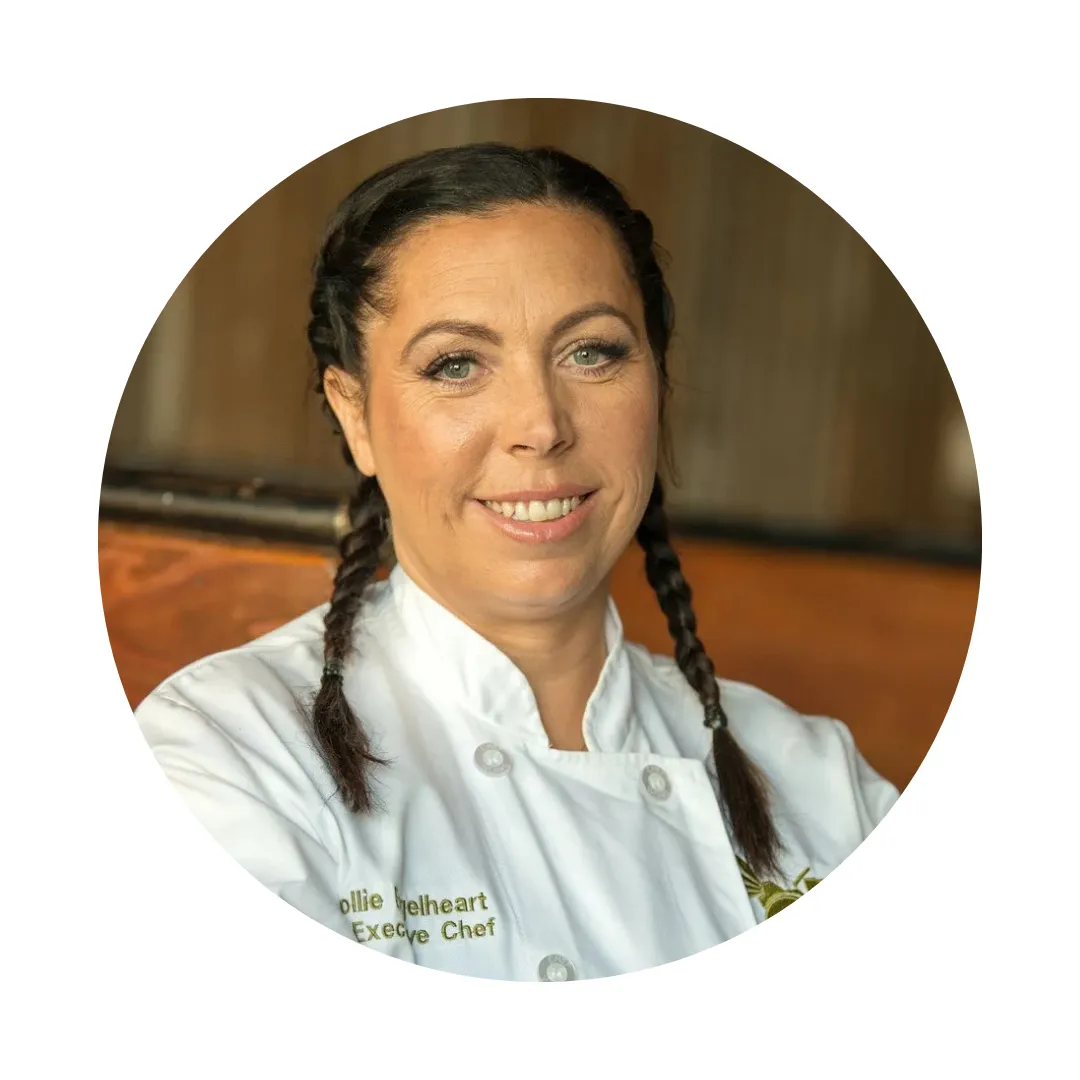
Mollie Engelhart
Superior
Debunked, by Nature - Mollie Engelhart explores the principle that nature is conservative, operating with balance and efficiency in all systems. She shares her personal journey from veganism to regenerative cattle ranching, highlighting ecological, ethical, and practical lessons learned. Drawing from her book, she shows how to work with natural systems, reconnecting food production with the rhythms and constraints of the environment.
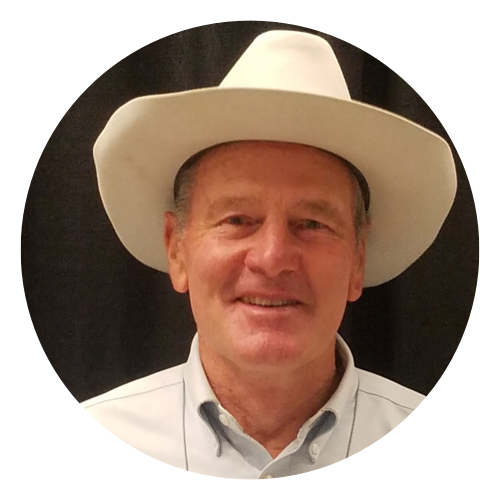
Steve Campbell
Salon A-C
Solo Cup Cow - This session introduces a visual approach to identifying optimal cow conformation for fertility and feed efficiency. Using a Solo cup on its side as a model, Campbell illustrates the ideal cow shape to indicate high digestive capacity, better fat deposition, and improved reproductive performance. Attendees will learn to assess these traits to select cattle that are more fertile, easier to manage, and cost-effective to feed.
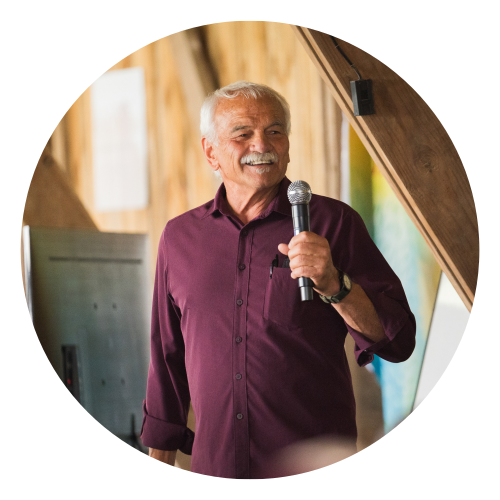
Gary Zimmer
Salon D
PROFITABLE BIOLOGICAL
FARMING - Soil expert Gary Zimmer breaks down how biological farming can dramatically improve your
bottom line. Learn practical,
field-tested strategies tog.enhance soil biology, reduce inputs, strengthen crop performance, and build a more resilient, profitable farm system.
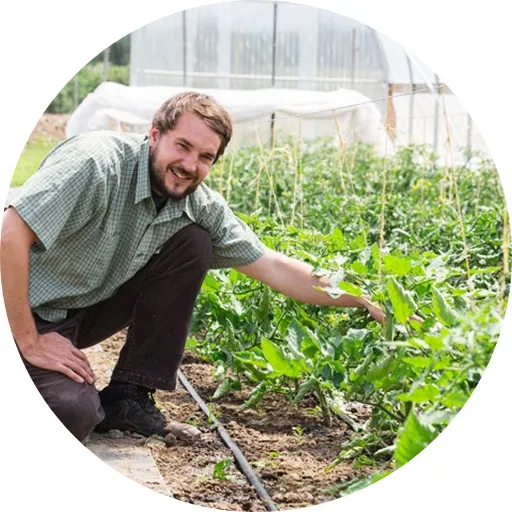
David Knaus
Salon E
The New Paradigm of Crop Nutrition - Follow minerals from soil fractions through leaf sap analysis to crop mineral density. Connect soil testing, plant uptake, and crop analysis to unlock the “hidden” N, P, K, and micronutrients already on your acres—and learn how systems release them.
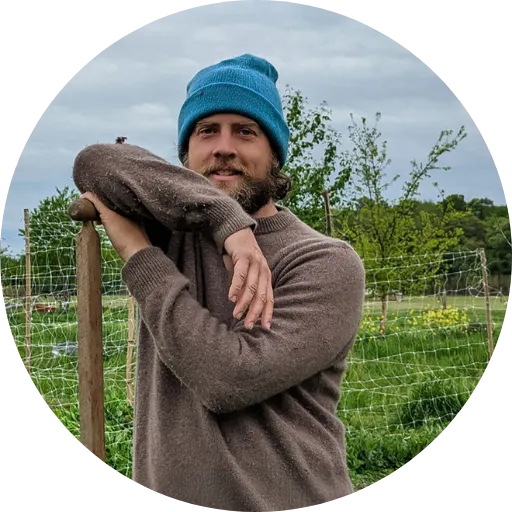
Stewart Lundy
Salon F-H
Biodynamics on an Integrated Livestock & Vegetable Operation - Whether new or curious about biodynamics, learn practical applications of preparations to improve quality and yields—framed within the holistic concepts that guide biodynamic agriculture.
Breakout 2
Day 1
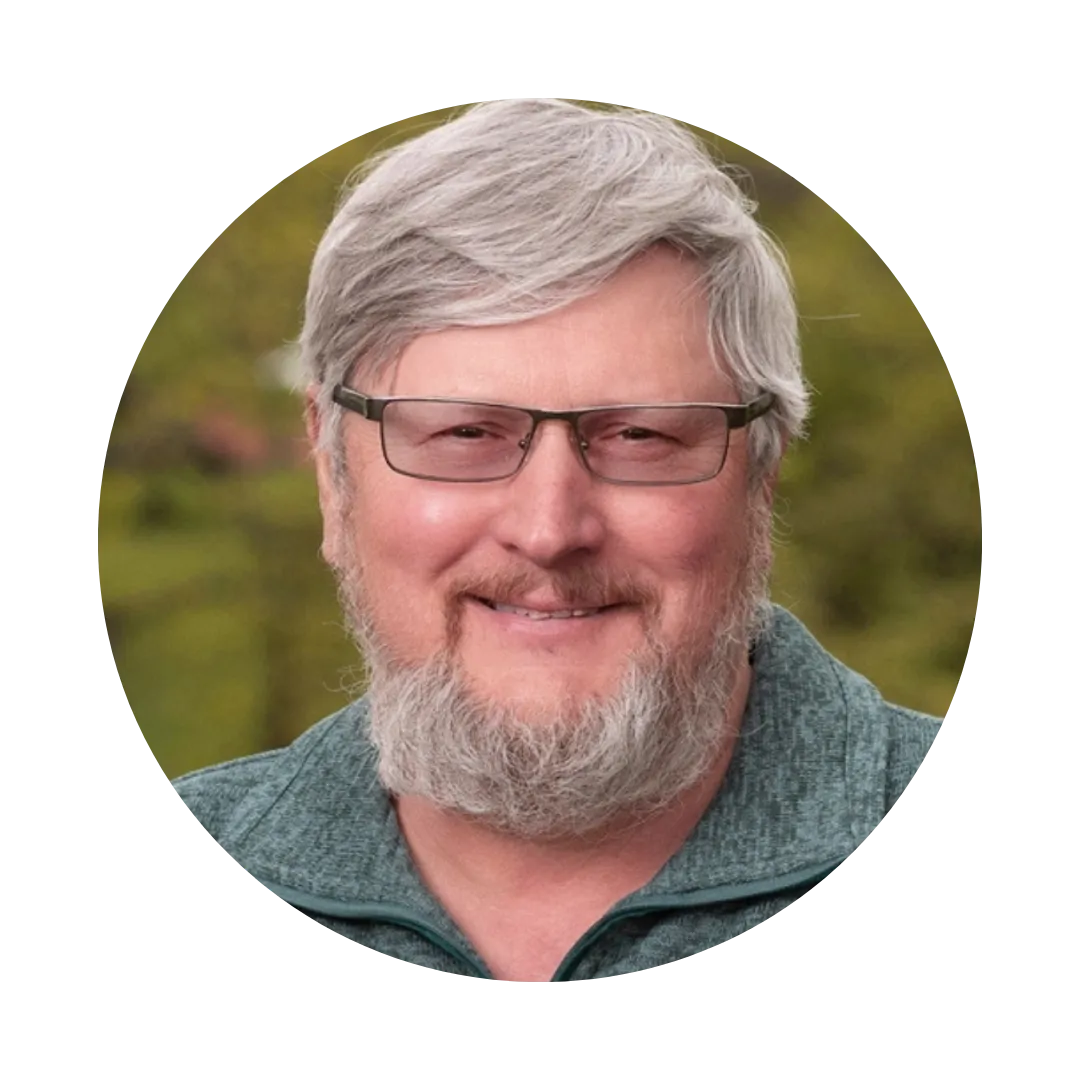
James White
Superior
Soil Microbes & Endophytes - How plants harness soil microbes and endophytes to fortify nutrition, stimulate development, boost pest/disease resistance, and increase stress tolerance—practical guidance for leveraging these partnerships.
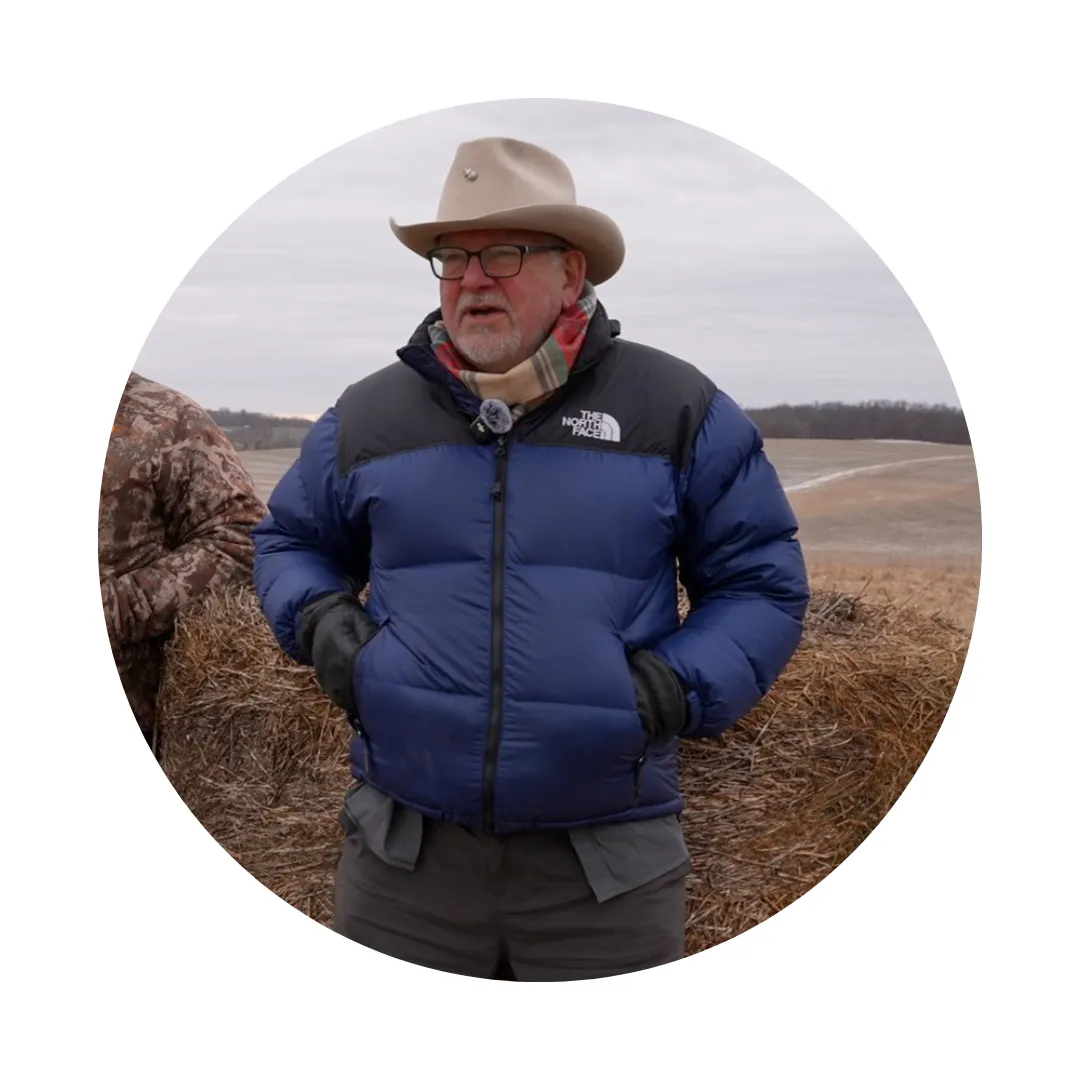
Will Winter
Salon A-C
Health from the Hedgerow - Woody, perennial shrubs/bushes offer deep bio-nutrients that help reduce or eliminate antibiotics, chemical wormers, and vaccines. Practical ways to use biodiversity to improve livestock health and system resilience.
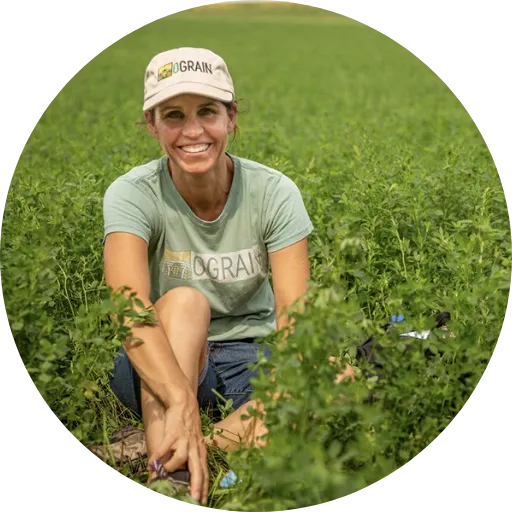
Erin Silva
Salon D
Regenerative Organic Farming: Making It Work for Your Farm - Actionable strategies from organic no-till and regenerative systems: integrate soil biology, rotations, and cover crops to build soil health, productivity, and reduce inputs.

Dr. Arden Andersen
Salon E
The Basics Never Get Old or Expire - Trends come and go, but the core sciences behind soil and plant health remain timeless. Dr. Andersen revisits the foundational teachings of agricultural pioneers to show how mastering biology, chemistry, and physics solves modern production and environmental challenges. Real innovation, he reminds us, starts with getting the basics right.
Economics Panel: LAX/MKE/GB
The Stacked Deck- the current economics in agriculture and why young farmers are at a structural disadvantage - Agriculture is at a breaking point, with aging farmers and decades of policy that have drained rural communities and stifled new entrants. In this candid panel, Joel Hollingsworth, Matt Hintz and Adam Lasch confront the economic and policy barriers facing today’s first-generation and regenerative-minded farmers — and explore bold ideas to rebuild thriving farms and rural economies.
Breakout 3
Day 1

Nasha Winters
Superior
The Dance of Regeneration: Reconnecting Human and Humus for a Healthier Future - Cancer care is on the brink of transformation—not through a single breakthrough drug, but through a new understanding of health itself. Dr. Nasha Winters reveals how metabolic medicine and regenerative agriculture are reshaping prevention and healing. By restoring both the body’s internal terrain and the soil that nourishes it, we can strengthen immunity, enhance recovery, and create a future where the path to wellness heals people and the planet together.
Brian Dougherty
Salon A-C
Building Profit and Resilience With a Systems Approach to Biological Farming - Economics of transitioning away from conventional management and toward biology-first systems. Practical nutrient-management strategies that prioritize soil biology, enhance crop quality, reduce inputs, and improve resilience.
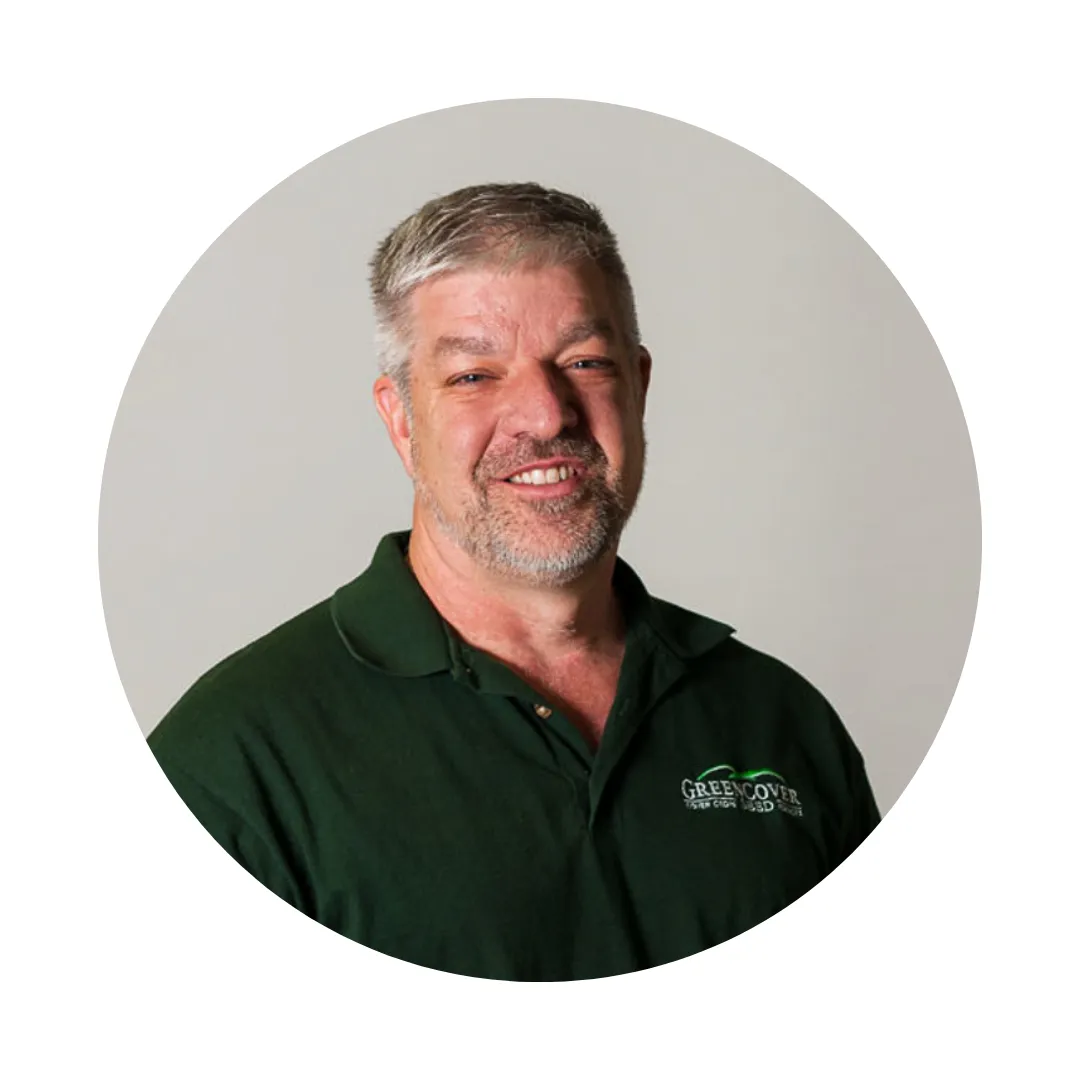
Keith Berns
Salon D
Stewminion: A Biblical Approach to Environmentalism - A faith-based framework combining dominion and stewardship—what it means to live regeneratively while honoring creation’s design. Practical and spiritual insights for sustainable farming.
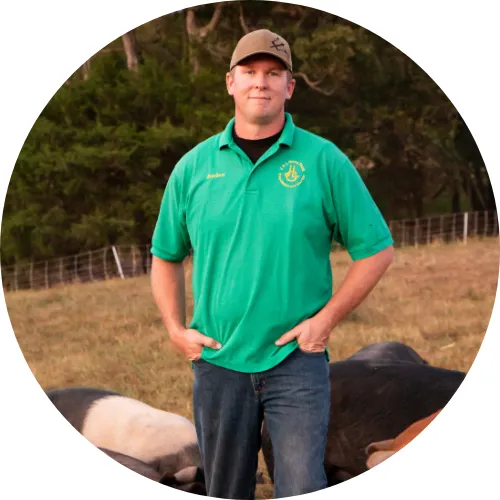
Jordan Green
Salon E
Building Profitable Price Lists - Direct retailing meats brings new challenges for farmers - building a wholesale/retail pricelist that is both profitable and competitive. With multiple farm enterprises this can be an especially difficult proposition. In this session you will learn the basics of carcass audits, capturing ALL costs, assigning profit and translating it into a whole animal or by the cut pricelist. No more copying someone else's pricelist! Know your costs and what it takes for your enterprise to be viable.
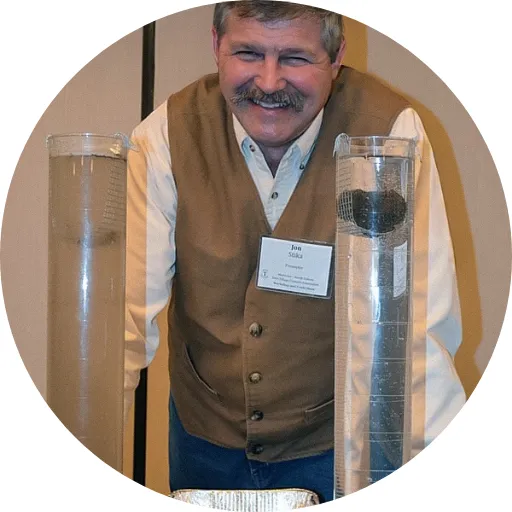
Jon Stika
Salon F-H
It Takes a Village to Implement Regenerative Agriculture - Regenerating soil isn’t a solo effort—it’s a community endeavor. Drawing from his book A Soil Owner’s Manual and decades of work in soil health, Jon Stika explores how farmers, landowners, agronomists, and local networks can work together to restore living, resilient soils. This session highlights the biological principles that drive soil function, the human connections that sustain change, and the collective mindset needed to rebuild agriculture from the ground up.

Keynote - Will Harris
Multi-Generation Success: The Key to Rural Revitalization (Keynote): For more than 25 years, Will Harris has transformed White Oak Pastures into a thriving model of regenerative agriculture and rural renewal. In this inspiring keynote, he shares how a commitment to land, livestock, and community across generations has revitalized not only his family farm but his entire hometown of Bluffton, Georgia. Will explores the principles behind building lasting rural prosperity—rooted in soil health, ethical production, and creating meaningful local economies that endure for generations to come.
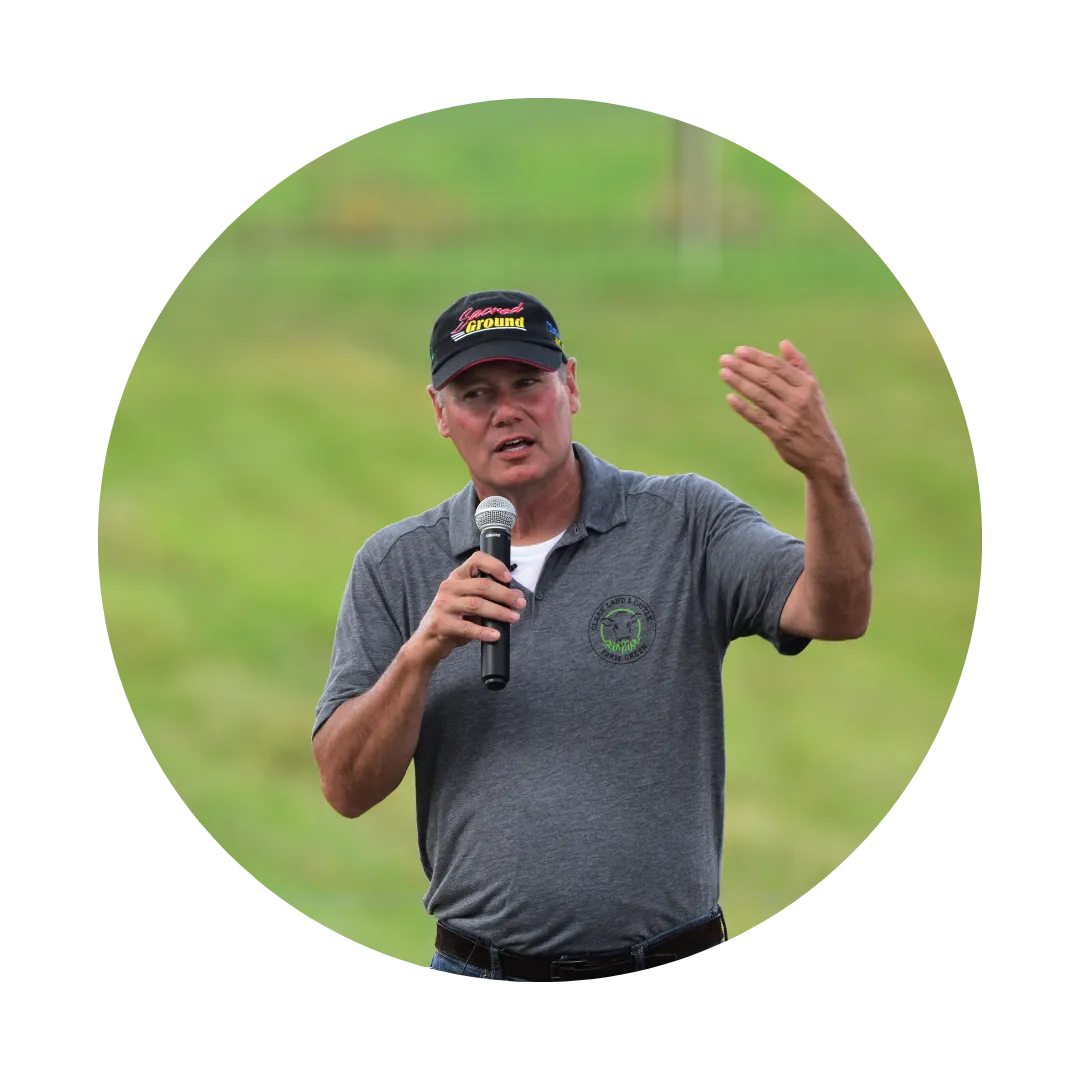
Keynote - Rick Clark
The Future of Regenerative Agriculture (Keynote): Fifth-generation farmer Rick Clark shares how innovation and adaptability are redefining modern agriculture. Drawing from his own regenerative journey, he shows how farmers can cut inputs, build soil health, and stay profitable in a changing world—proving that the future of farming is both sustainable and resilient.
Breakout 1
Day 2
Dan Kittredge
Superior
Nutrient Density - History, current research, and future vision for nutrient-dense food. How nutrient density links soil health, plant vitality, and human well-being—with practical steps to steer farming and food quality.

Steve Diver
Salon A-C
Biophysics and Structured Water in Agriculture - The often-overlooked “third leg” of eco-ag: frequencies, sound, and bioresonance—plus practical updates on magnetized/structured water to enhance plant, soil, and animal vitality.
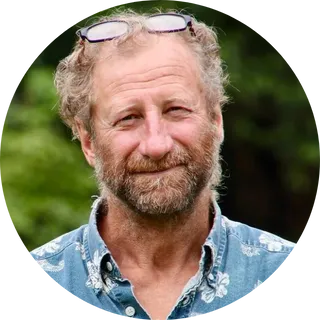
Nigel Palmer
Salon D
Building Organic Matter in the Field and Compost Pile - Hands-on mineral amendments (including fermented plant juices) and element ratios that drive biology. Practical science and demonstrations to build OM in fields and compost while minimizing losses.

Andre Leu
Salon E
Plant Sentience - Plants communicate, remember, and work with the soil microbiome. Apply these insights to improve productivity and efficiency with more plant-centered, regenerative practices.

Megan Neubauer
Salon F-H
Pick Your Own 101 - Running a successful pick-your-own farm is about more than growing fruit—it’s about creating an experience that connects people to the land. Drawing from her book and hands-on experience, Megan Neubauer shares practical guidance on everything from planning and crop selection to farm layout, staffing, and customer engagement. Learn proven strategies to boost profitability, streamline operations, and build a loyal community around your farm—so both your crops and your customers keep coming back year after year.
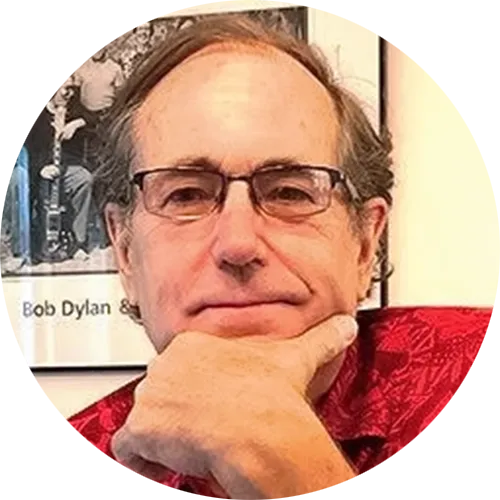
Charles Benbrook
LAX:MKE:GB
Is Fixing Food & Farm Policy Mission Impossible? - Industrial agriculture is barreling toward major economic and ecological crises. Charles Benbrook outlines how the FEVER Act provides practical, actionable policy shifts to make regenerative and organic farming the most profitable and sustainable path forward.
Breakout 2
Day 2
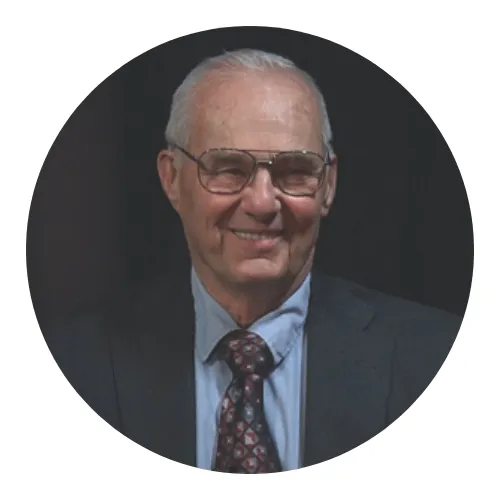
Don Huber
Superior
Glyphosate: An Unseen Threat to Agricultural Sustainability and Health - Residual glyphosate undermines production and health. Why simple chelation “kicks the can,” where biodegradation solutions are headed, and how to restore agricultural efficiency.
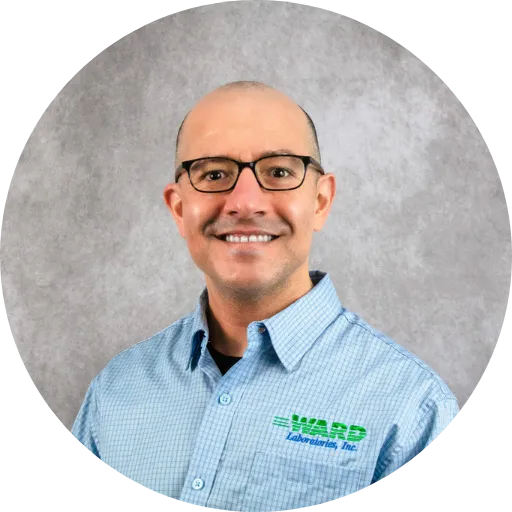
Patrick Freeze
Salon A-C
Heavy Metals in Specialty Cropping Systems - Affordable strategies to minimize plant uptake in high-value crops (pH control, organic matter, binders like phosphate/iron/biochar) and how to verify success with tissue analysis and bioavailable metal tests.
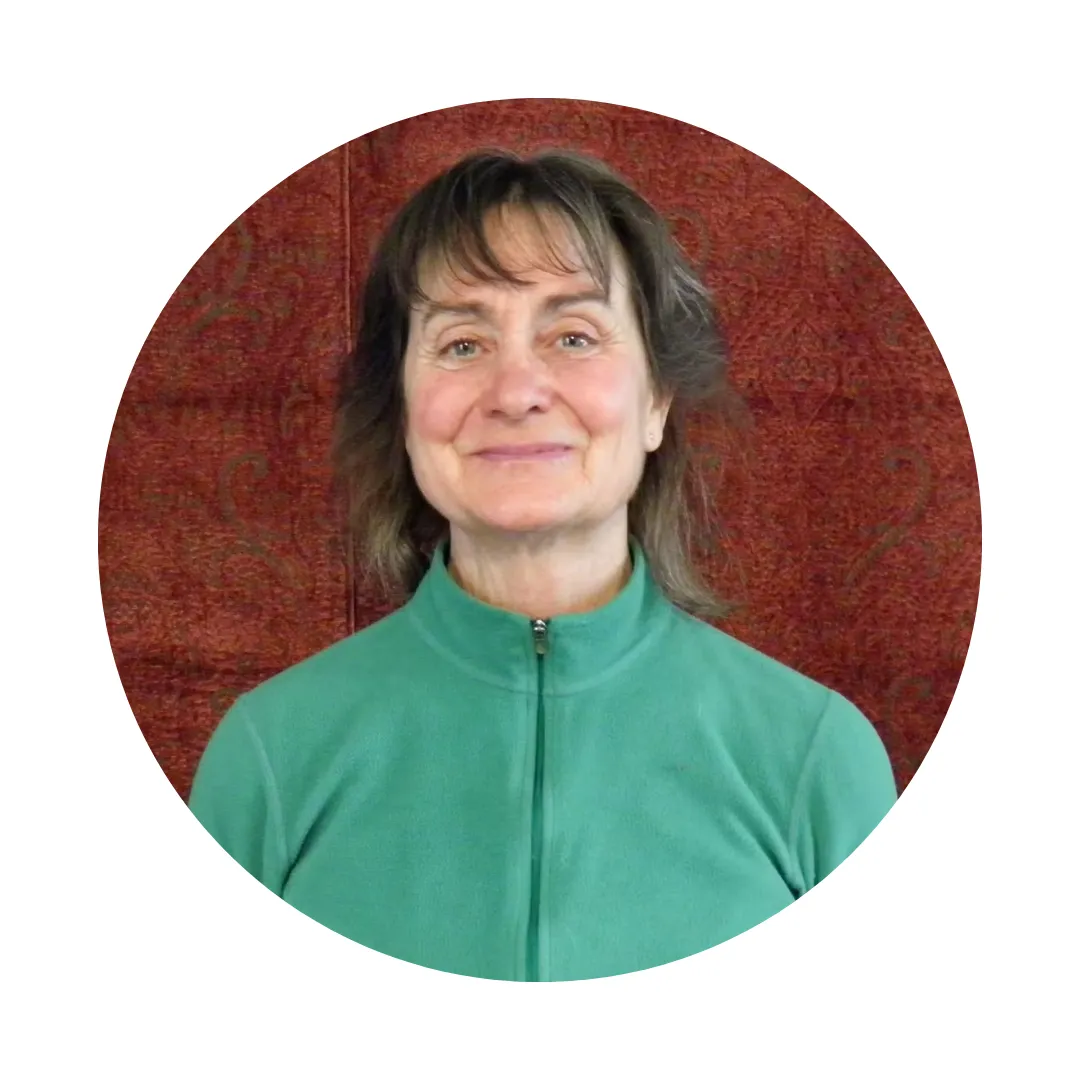
Helen Atthowe
Salon D
Grow Your Own Fertilizer and Maximize Crop Nutrition - Four decades of cover crops/living mulches, no-till residue timing, and C:N optimization to minimize off-farm inputs. Link practices to soil microbes, beneficials, and natural suppression of pests/disease.
Mark Shepard
Salon E
INVESTING IN ECOLOGY - What if restoring the land could also revive rural economies? In this forward-thinking session, Mark Shepard explores how
ecological agriculture and smart investment can create abundance for people and planet. He’ll share real-world examples of farmers and investors partnering to build profitable, water-secure, regenerative systems that last.
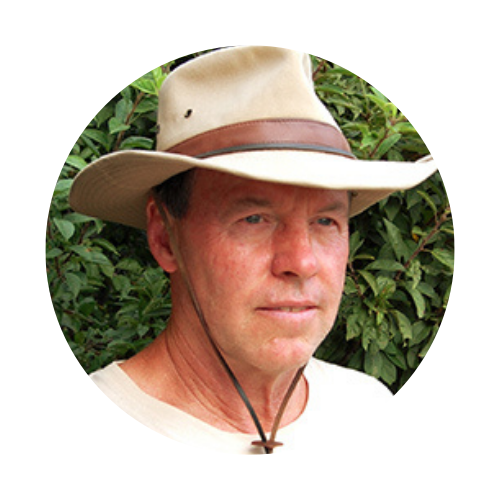
Lawrence Mayhew
Salon F-H
Humates 101: Separating Fact from Fiction - Not all “humic” products are genuine. How to identify authentic, high-quality sources with validated scientific methods and avoid counterfeits—even among “certified organic” products.
Breakout 3
Day 2

John Kempf
Superior
The Economic History of Agriculture & how to succeed for the next 10 years - How past economic choices shaped today’s systems—and strategies to navigate current markets and production for resilient, profitable farms.

Jason Mauck
Salon A-C
Farm Weird - Challenge conventional thinking with a “farm weird” philosophy—using creativity, data, and biology to make relay cropping systems more productive and resilient. In this session, he shares how overlapping crops, timing, and diversity can unlock efficiency, boost soil health, and build a new model for profitable regenerative farming.
Jeff Poppen
Salon D
Digging Deeper into Biodynamics - From Steiner’s Agriculture lectures to farm individuality, BD preparations, stock feeding, and permaculture—how to produce the best sustenance with minimal outside inputs.
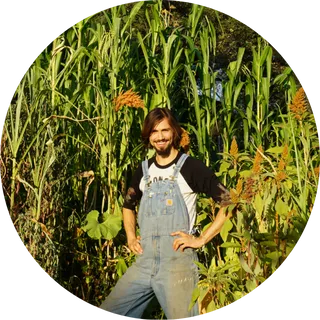
Matt Powers
Salon E
The Microbial Link - Why peak health, immunity, quality, and yields all trace back to the right microbes—inside plants and in soils—and how to partner with them strategically to save money and improve outcomes.
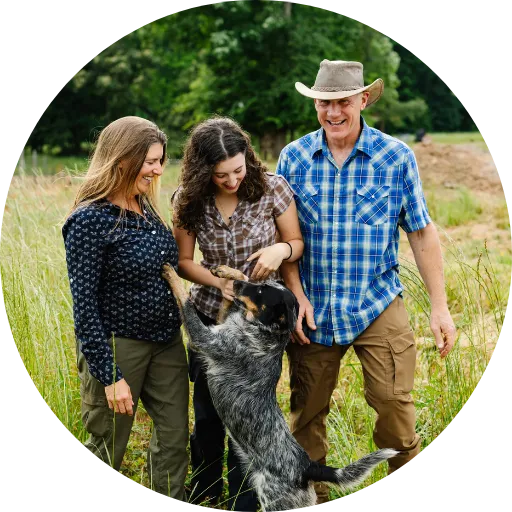
Hubert Karreman
Salon F-H
Building Pasture from the Ground Up - With Suzanne and Dr. Hubert Karreman: practical steps to build productive pasture-based livestock systems, including how they boosted soil organic matter from 0.5% to 5% on 200 acres and converted forestland/hayland into productive pasture/silvopasture.
Panel Discussion
Rick Clark, John Kempf and Gabe Brown

Keynote - Gabe Brown
Closing General Session - The Future Is Regenerative: Thriving in an Uncertain Economy (Keynote): As global markets shift and conventional systems strain under economic and environmental pressure, Gabe Brown offers a hopeful path forward. Drawing on four decades of experience transforming his North Dakota ranch through regenerative practices, Gabe reveals how soil health principles create not just ecological resilience—but economic stability and opportunity. This keynote explores how regenerative agriculture can reduce risk, cut costs, and build lasting profitability, even in the face of market volatility. The future belongs to those who work with nature, not against it—and Gabe shows how that future is already growing from the ground up.
You Need To JOIN US
Sponsors
Presenting Sponsor
Green Lightning
Booth in Bookstore

Presenting Sponsor
Noble Research Institute
Booth 47 & 48
Platinum Sponsor
Tend
Booth 50-51
Gold Sponsor




Wifi Sponsor
Reception Sponsor

Keynote Sponsor

Charging Station Sponsor
Reception Sponsor

Tradeshow Exhibitors
Farm And Ranch Freedom Alliance, Council For Healthy Food Systems
[email protected]
(214) 493-9314
Booth: 61
What Sets Us Apart
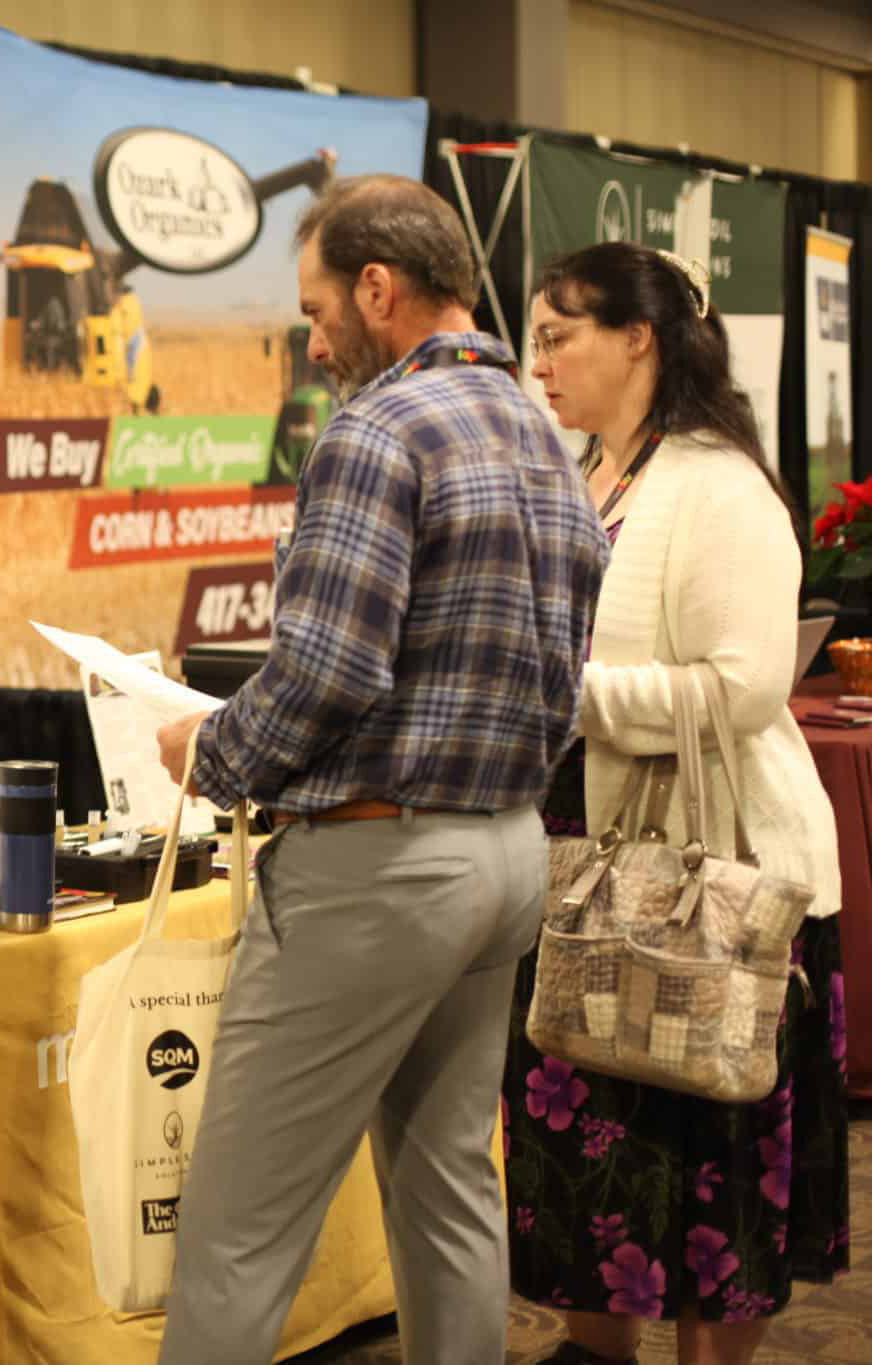
Every year, the Eco-Ag Conference & Trade Show sets a new standard for innovative and practical learning in modern agriculture. This is not your average regenerative farming conference. Eco-Ag is the premier conference for science-based sessions on regenerative agriculture. You will learn techniques and tactics you can immediately take home to the farm and put into practice. Each moment of programming is thoughtfully curated to provide useful, practical and measurable information and connections that you can apply to your operation.
Join us for the main conference and trade show on Dec. 4-5 or decide to come early for one of our incredible full-day Eco-Ag U intensive workshops Dec. 2-3… either way you can expect a fulfilling experience that will include:
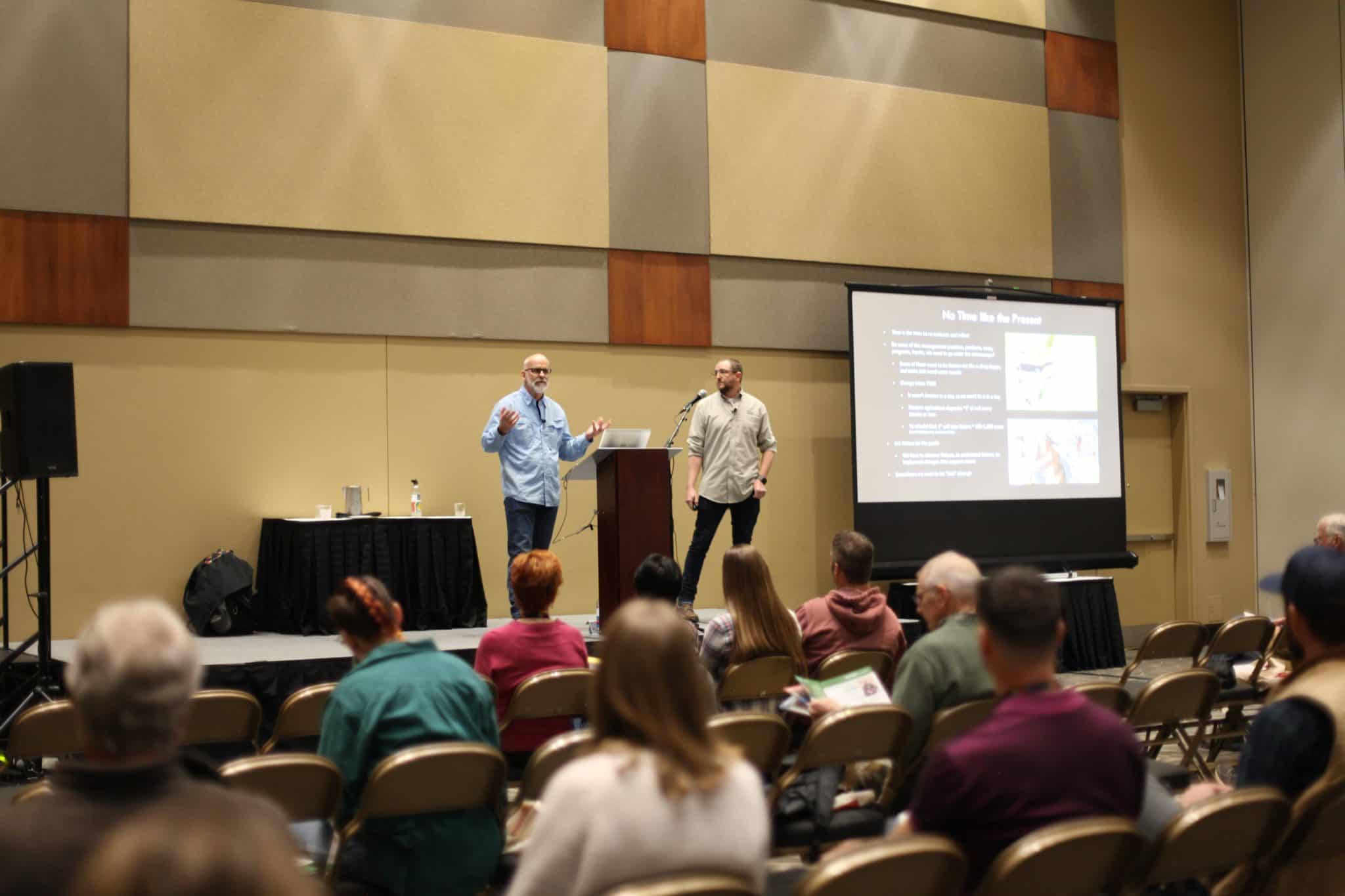
Exceptional learning from leading farmers, agronomists, and others who are pioneering a new way to farm ecologically and economically.
Engagement with innovative companies building tools and services to help you surpass your regenerative farming goals.
Connecting with your peers who are also seeking to chart a new path forward for their regenerative operations and with experienced growers and agronomists who have valuable lessons learned and are ready to share.
Program
The Eco-Ag Conference & Trade Show is filled with engaging keynote speakers, 1- to 2-hour breakout sessions in regenerative agriculture topics ranging from soil health – including making the most of the microbiome, composting, cover cropping and more, to farm management to livestock and beyond.
Eco-Ag U
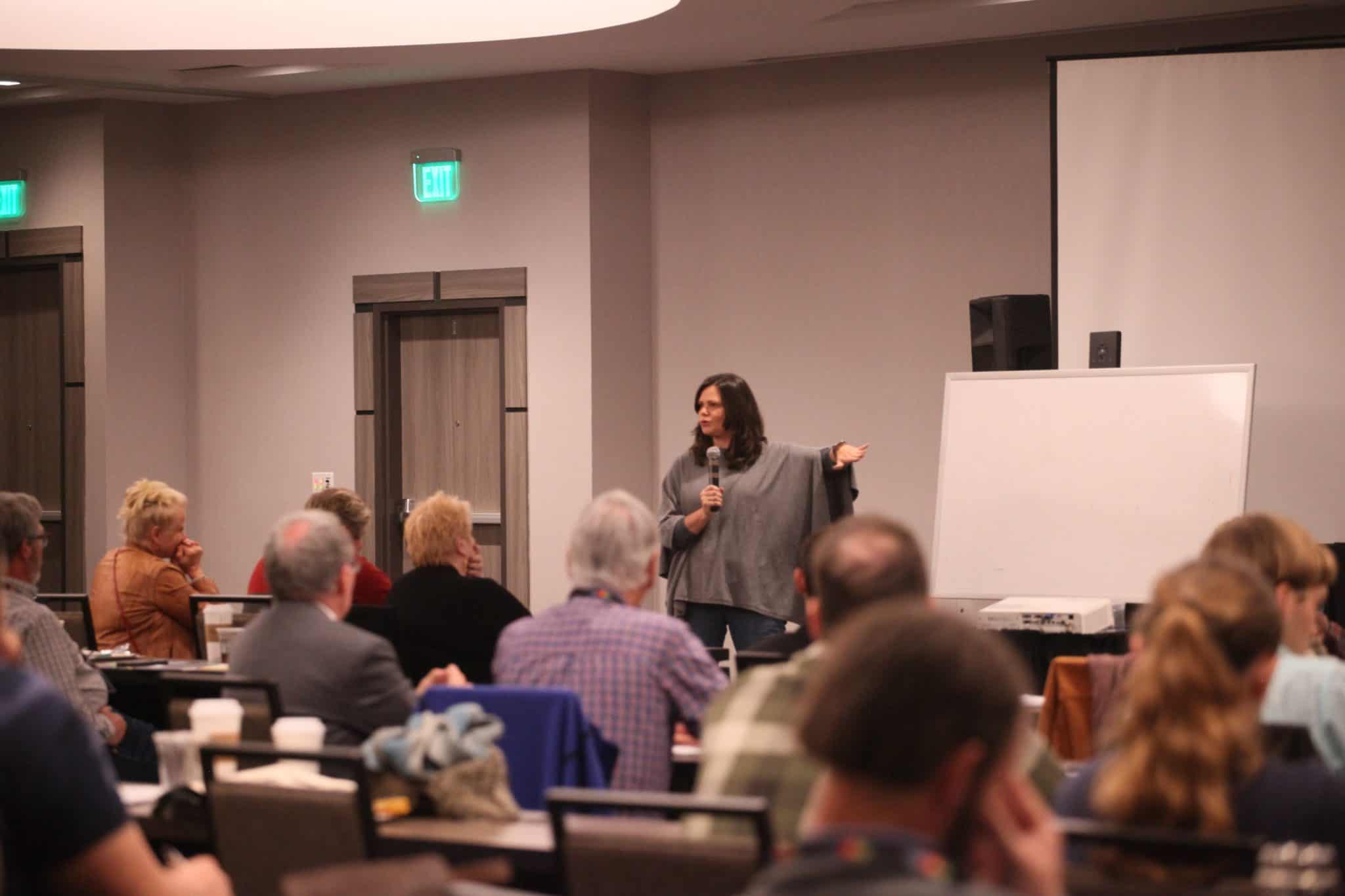
Get the most out of your experience by signing up for an Eco-Ag U workshop (or two!) – the registration fee includes your choice of pre-conference workshops plus the entire conference and trade show. Spend a full day with an instructor diving deep into a topic that’s important to you.
You will have direct, small-classroom access to the top minds in eco-agriculture, where you can learn the real details behind their success, and ask questions specific to your farm or operation.

Marriott Madison West
1312 John Q Hammons Dr, Middleton, WI 53562
1 608-831-2000
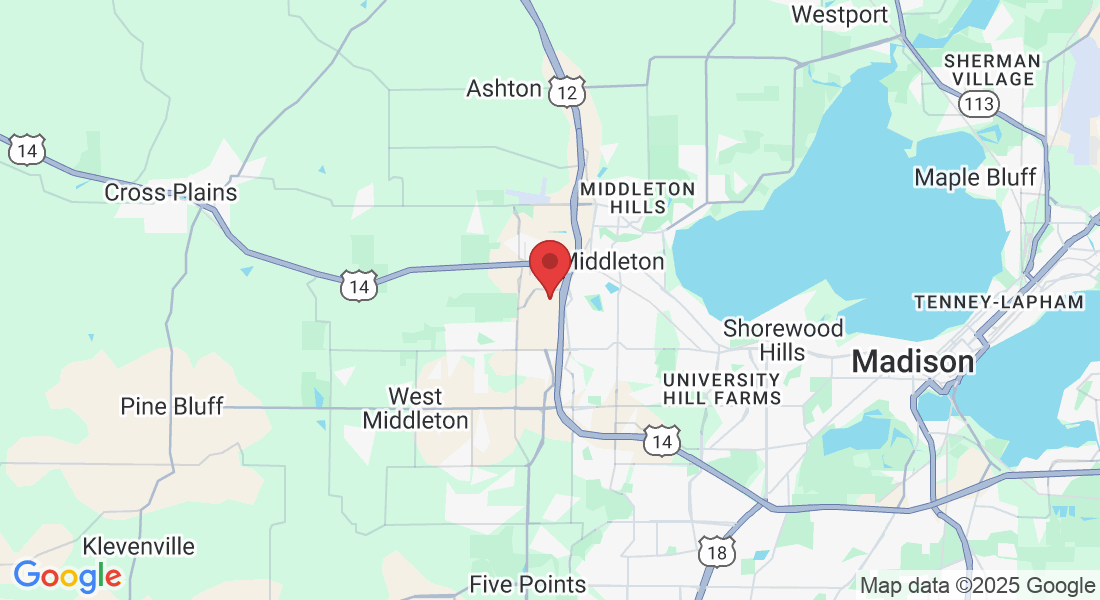

1313 John Q Hammons Drive Middleton, Wisconsin 53562

Downtown Madison, Wisconsin

© 2025 All rights reserved